
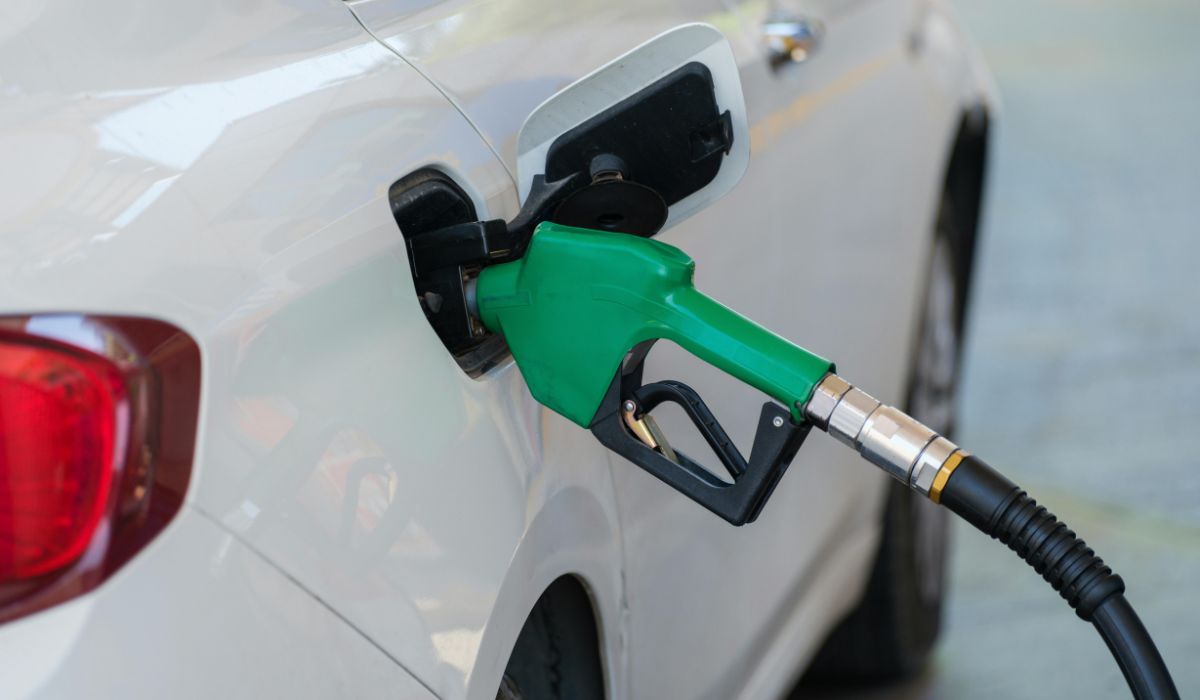
Understanding the Fuel Policy for Car Rental in Nepal is essential before confirming a vehicle. Fuel may be included in the advertised rate, paid directly by the renter or calculated according to the distance traveled. The arrangement affects your total rental cost, so confirming it in advance can prevent misunderstandings and unexpected charges.
Fuel arrangements also differ between a self-drive vehicle rental Nepal service and a rental service with a driver. Self-drive customers normally purchase their own petrol or diesel, while rentals with drivers may include fuel for an agreed route or charge it separately.
Whether you are arranging a city transfer, hiring a jeep for a mountain journey, or planning a multi-day Nepal road trip, always ask how fuel consumption will be recorded and billed.
Key Takeaway
Car rental fuel policies in Nepal generally fall into two main categories:
- Same-to-same or full-to-full: You pay for the fuel you use and return the vehicle at the agreed fuel level.
- Fuel-included packages: Common for chauffeur-driven rentals, airport transfers, sightseeing tours, and fixed itineraries.
Some companies also use mileage-based or per-kilometer pricing. Always confirm whether fuel is included in the rental amount or charged separately through fuel reimbursement, actual consumption, or a running rate.
What Is the Fuel Policy for Car Rentals in Nepal?
Most self-drive rentals in Nepal use a same-to-same fuel policy. You receive the vehicle with a recorded fuel level and return it at approximately the same level.
A full-to-full fuel policy works similarly, except the vehicle is supplied with a full tank and must be returned full.
For rental services with driver, fuel may be included in a fixed package or incorporated into a per-kilometer rate. The exact arrangement varies by rental provider, vehicle type, route, and booking duration.
Quick Facts
- Self-drive renters generally pay for petrol, diesel, or charging.
- Driver-inclusive rentals may include fuel for fixed routes.
- Returning a vehicle with less fuel can result in fuel and service charges.
- Fuel prices are published by Nepal Oil Corporation.
- Fuel availability is generally good in cities but requires more planning in remote areas.
What Is a Fuel Policy?
A vehicle rental fuel policy explains who is responsible for paying for fuel, how the fuel level is recorded at pickup, and the condition in which the vehicle must be returned. It may also specify the required fuel type, whether fuel is included in the quoted rental price, the method used to document the starting fuel level, charges for missing fuel, refueling or administrative fees, mileage restrictions, fuel reimbursement procedures, and electric-vehicle charging responsibilities. Clear rental car fuel rules in Nepal help both renters and rental companies understand their obligations and avoid misunderstandings or unexpected charges.
Why Fuel Policies Matter ?
Transparent pricing is essential because a low daily rental rate may not represent the complete cost of your trip. Fuel, driver allowance, parking fees, overnight expenses, and excess mileage charges can significantly increase the final amount. Accurate travel budgeting requires understanding the vehicle rental fuel policy in Nepal so you can estimate the total cost of your journey rather than comparing only base rental rates. Preventing unexpected charges also depends on maintaining a clear record of the fuel level at pickup and return, which helps avoid disagreements between the renter and the rental company. Comparing rental offers effectively means reviewing the complete package, as two quotations may appear similar even though one includes fuel and other expenses while the other does not.
Fuel Policies Used by Car Rental Companies in Nepal
1. Same-to-Same Fuel Policy
Under a same-to-same arrangement, the vehicle is delivered with a specific quantity of fuel and must be returned at approximately the same level.
For example, when you receive a vehicle with half a tank, you should return it with half a tank.
How It Works
- The fuel level is checked during pickup.
- The level is written on the rental form or photographed.
- The customer pays for fuel used during the rental. 4. The vehicle is returned at the recorded level.
Why It Is Popular in Nepal
The same-to-same system is flexible and reasonably fair because customers pay only for the fuel they consume. It is commonly used when the rental company cannot guarantee that every vehicle will have a completely full tank at pickup.
Benefits
- You pay only for the fuel you use.
- It works with any starting fuel level.
- It is easy to record using photographs.
- Fuel costs remain separate from the rental rate.
Possible Disadvantages
Estimating half or three-quarters of a tank is less precise than measuring a full tank. Fuel gauges may also change slightly when the vehicle is parked on a slope.
For this reason, photograph the dashboard while the vehicle is parked on level ground.
2. Full-to-Full Fuel Policy
How it works
Under a full-to-full fuel policy, the rental vehicle is collected with a full tank and must be returned with a full tank. If it is returned with less fuel, the rental company may charge for the missing fuel and add refuelling or administrative fees.
Advantages
The starting and ending fuel levels are easy to verify, and you normally pay only for the fuel you consume. This reduces uncertainty about partial tank levels, making it one of the best fuel policies for rental cars used for self-drive travel.
Potential Charges
When the vehicle is returned without a full tank, the provider may charge:
- The cost of missing fuel
- A refueling service charge
- An administrative fee
- A higher fuel rate than the pump price
Ask how these charges are calculated before signing the agreement.
3. Included Fuel Policy
With an included fuel arrangement, the rental provider incorporates fuel into the package price.
This arrangement is most common for:
- Airport pickups and drop-offs
- Kathmandu sightseeing
- Fixed intercity transfers
- Family and group tours
- Corporate transportation
- Wedding transportation
- Multi-day guided itineraries
A fuel included car rental Nepal package can simplify budgeting because the traveler does not need to purchase or reimburse fuel separately.
However, “fuel included” does not always mean unlimited travel. The price may apply only to a specific route, itinerary, number of hours, or mileage allowance.
4. Per-Kilometer Fuel Pricing
- Sedans: Comfortable and fuel-efficient, ideal for city travel and small groups.
-
SUVs: Spacious and powerful, suitable for families, long trips, and rough roads.
-
Scorpio Jeeps: Strong and reliable vehicles commonly used for hilly or off-roadjourneys.
-
Hiace Vans: Large passenger vans, ideal for group tours and airport transfers.
A sedan on a paved city route will normally have a different running rate from a Scorpio jeep traveling on an unpaved mountain road.
This pricing method makes trip budgeting easier because customers can estimate the rental cost based on the expected travel distance.Per-kilometer pricing is especially popular for chauffeur-driven rentals, intercity travel, sightseeing tours, airport transfers, and multi-destination trips. It can be a convenient option when the travel route and approximate distance are known in advance.
Fuel Policy for Self-Drive Car Rentals in Nepal
Who Pays for Fuel?
The renter usually purchases fuel directly from authorized fuel stations meaning the renter is generally responsible for fuel expenses. Fuel is generally not included in the basic daily or weekly price unless the booking confirmation specifically states otherwise.
What Happens If You Return the Vehicle With Less Fuel?
The rental company may charge for the estimated missing quantity. It may also add a fuel service charge on rental cars to cover the time and operational cost of taking the vehicle to a filling station.
Best Fuel Policy for Self-Drive Rentals
Full-to-full is generally the most transparent option. Fill the tank shortly before returning the vehicle and keep the receipt.
Where full-to-full is unavailable, same-to-same is still reasonable when the starting level is recorded clearly.
Fuel Policy for Chauffeur-Driven Car Rentals
Fuel Arrangement Options
Fuel included:
With a fuel-excluded rental, the basic price usually covers the vehicle and driver, while the customer pays the fuel cost separately.
This arrangement can be useful when:
- The itinerary is flexible.
- The final distance is unknown.
- The customer wants to see the actual fuel expense.
- The journey includes several optional side trips.
- The rental lasts for an extended period.
Fuel-Excluded Chauffeur Packages
Under this arrangement, fuel is purchased whenever the vehicle needs refuelling. Payment may be handled in one of two ways:
1. The customer pays the fuel station directly.
2. The driver pays first and receives reimbursement from the customer.
The vehicle’s fuel level and odometer reading should ideally be recorded at the beginning and end of the rental. This helps prevent disagreements about fuel used before or after the customer’s trip.
Which Option Is Better?
Is Fuel Included in Car Rental Prices in Nepal?
Factors That Determine Fuel Inclusion:
Vehicle Type
Larger or more powerful vehicles usually consume more fuel, which can affect whether fuel is included and the total rental price.
Rental Duration
Fuel is easier to include for short, fixed rentals. Longer rentals often exclude fuel because the total usage is less predictable.
Route Complexity
Mountain roads, traffic, rough terrain and frequent stops can increase fuel consumption, making fuel-inclusive pricing more difficult.
Driver Inclusion
When a professional driver is included, the provider may also manage refuelling and offer fuel as part of the package.
Questions to Ask Before Booking
Ask the rental provider:
● Is fuel included in the quoted price?
● Is the rate fixed or calculated per kilometer?
● Where does mileage calculation begin?
● Is return mileage included?
● Are driver allowances included?
● Are parking charges included?
● Are road tolls or local entry fees included?
● Is there a daily mileage limit?
● What happens when the agreed mileage is exceeded?
● Is there a refueling fee?
● Does the vehicle require petrol or diesel?
● What is the policy for route changes?
Fuel Costs in Nepal
Who Regulates and Publishes Fuel Prices?
Nepal Oil Corporation, commonly known as NOC, imports, stores, distributes, and publishes retail prices for major petroleum products in Nepal.
The Nepal Oil Corporation fuel prices may be revised when supply costs and other pricing factors change. Travelers should therefore check the current rate shortly before calculating their trip budget.
The petrol cost in Nepal and diesel cost in Nepal directly affect both self-drive expenses and fuel-inclusive rental quotations.
Why Fuel Prices Remain Similar Nationwide
NOC groups locations into pricing areas. Transportation and distribution conditions can produce small differences between those areas.
Prices at isolated destinations may also reflect the practical cost of transporting fuel beyond major depots.
Fuel Types Available in Nepal
Petrol
Petrol is used by many hatchbacks, compact cars, sedans, and smaller SUVs.
Diesel
Diesel is common in larger SUVs, Mahindra Scorpio jeeps, Toyota Hiace vans, buses, and utility vehicles.
Electric Charging
Electric vehicles are increasingly available in Nepal, particularly in Kathmandu and other major urban areas. Public charging infrastructure is expanding, but availability, connector compatibility, charging speed, and station uptime should be confirmed before a long trip.
Fuel Station Availability in Nepal
Major Cities and Highway Areas
Mountain and Remote Regions
Practical Travel Tip
Fuel Policy by Vehicle Type
Hatchback Cars
Hatchbacks are often among the most fuel-efficient rental vehicles for city travel and paved highways. They usually operate under same-to-same or full-to-full policies. They may not be appropriate for rough mountain roads or large amounts of luggage.
Sedans
Sedans work well for airport transfers, business transport, and major intercity highways. Fuel may be paid by the renter or included in a chauffeur-driven package.
SUVs
SUV fuel consumption varies widely. Four-wheel-drive models generally have higher running costs than compact crossovers. Ask for the specific model rather than relying only on the term “SUV.”
Mahindra Scorpio Jeeps
Scorpio jeeps are commonly selected for mountain routes, larger groups, and roads requiring stronger ground clearance. Their fuel cost can be higher than that of a sedan, especially on steep or unpaved roads.
Toyota Hiace Vans
Hiace vans are suitable for groups and can reduce the per-person travel cost when seats are well utilized. Total diesel consumption remains higher than for a small car, so the fuel arrangement should be clearly stated.
Electric Vehicles
EVs can reduce energy costs on routes with dependable charging. They require additional planning for charging time, station location, connector type, elevation changes, weather, and battery range.
The rental contract should define the required return battery percentage.
Tips to Avoid Fuel Policy Mistakes
Do Not Assume Fuel Is Included
Ask for written confirmation even when the booking is advertised as a package.
Check the Fuel Level During Pickup
Photograph the gauge and make sure the level recorded in the agreement matches the dashboard.
Record the Odometer
The odometer is especially important for mileage-based rentals.
Understand Per-Kilometer Charges
Confirm whether distance is measured from the rental office, hotel, airport, or first passenger pickup.
Return the Correct Fuel Level
Refuel near the drop-off point rather than far away, particularly when the return involves city traffic.
Keep Fuel Receipts
Receipts can help verify the refueling location, quantity, price, and time.
Clarify the Driver’s Fuel Arrangement
For chauffeur-driven rentals, ask whether the driver pays first, receives an allowance, or expects reimbursement during the journey.
Fuel-Saving Tips for Travelers in Nepal
Choose a Fuel-Efficient Vehicle
Select the smallest vehicle that safely accommodates passengers, luggage, and road conditions.
Plan the Route Carefully
Combine nearby destinations and avoid unnecessary backtracking. Route planning is particularly important in cities with heavy congestion.
Avoid Excessive Idling
Long waits with the engine running increase fuel use. However, safety and passenger comfort should remain the priority.
Travel as a Group
Consider an EV Rental
An EV may be economical for urban trips and established highway corridors with dependable charging. Confirm the charging plan before booking.
Frequently Asked Questions
Which is the best fuel policy for a rental car?
Full-to-full is often the most transparent policy for self-drive rentals because both the starting and return levels are easy to verify. A fuel-included package may be more convenient for a chauffeur-driven itinerary.
What is the difference between same-to-same and full-to-full?
What is a fuel service charge on a rental car?
It is an additional fee that may be charged when the rental company must refuel the vehicle after its return. It is normally separate from the price of the missing fuel.
What happens if I return a rental car without enough fuel?
The provider may deduct the missing fuel cost and a refueling fee from your deposit or add them to the final invoice.
What is the full-to-empty fuel policy?
Under full-to-empty, the customer pays for a full tank at the beginning and returns the vehicle with any remaining level. Unused fuel is commonly non-refundable. This policy is generally less attractive for short rentals and is not commonly promoted as the standard option in Nepal.
